KAFOP
KAANA FOUNDATION FOR OUTREACH PROGRAMS
Detailed overview of our focus areas with program images.
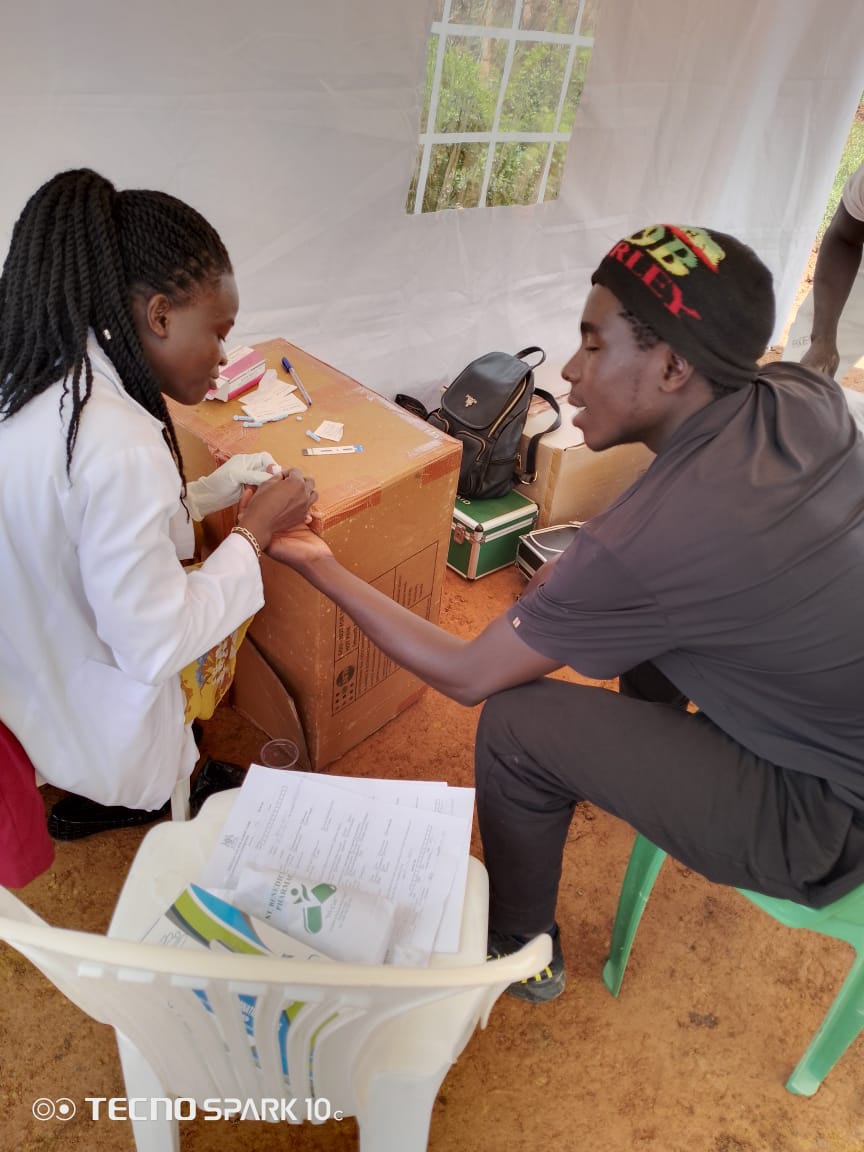
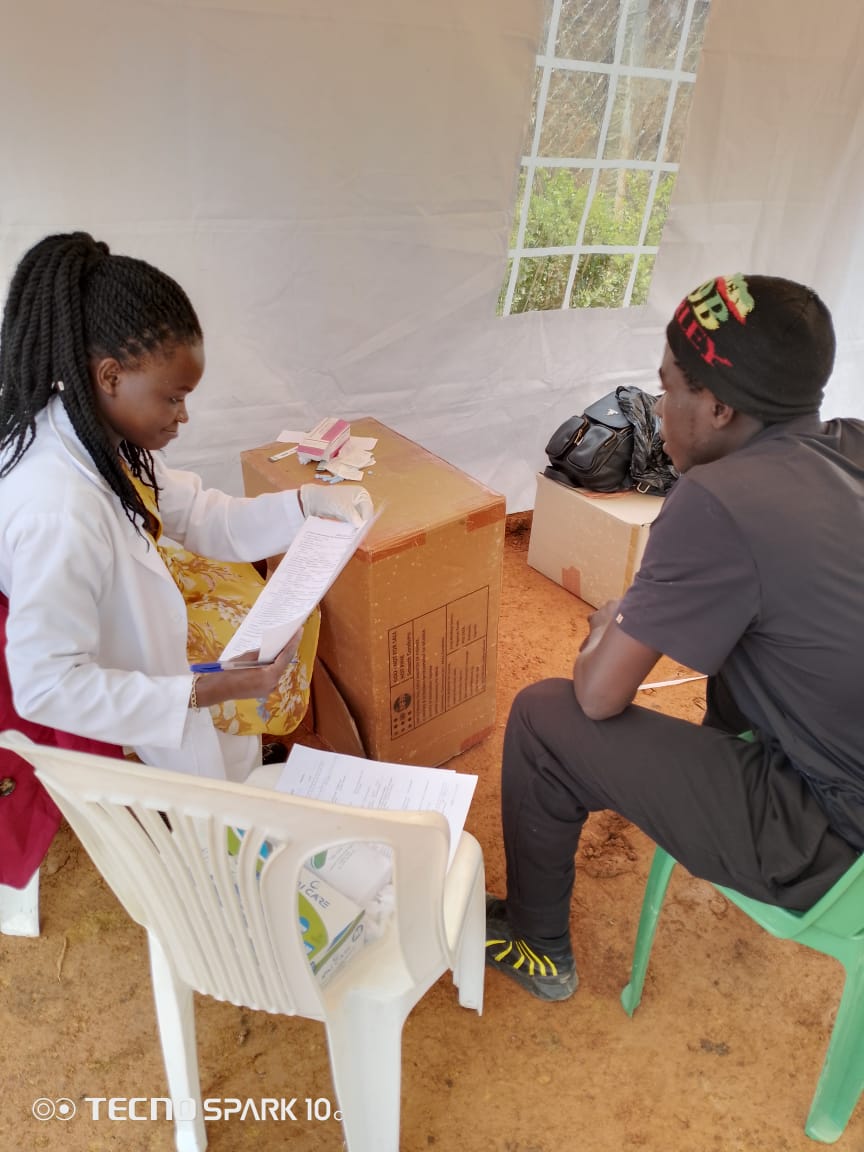
At Kaana Foundation for Outreach Programs (KAFOP), we believe that access to quality healthcare is a fundamental human right. Our Health & HIV/AIDS Support program is designed to address the interconnected health challenges facing vulnerable populations in Uganda, particularly young people, women, and children.
Our Approach: We employ a multi-layered strategy that combines direct service delivery with community empowerment and advocacy, addressing root causes including poverty, stigma, gender inequality, and limited access to information.
Key Program Areas:
Our Impact: We contribute directly to the UNAIDS 95-95-95 targets and SDG 3 (Good Health and Well-Being). We work in close collaboration with the Ministry of Health, local health facilities, CBOs, and international partners.
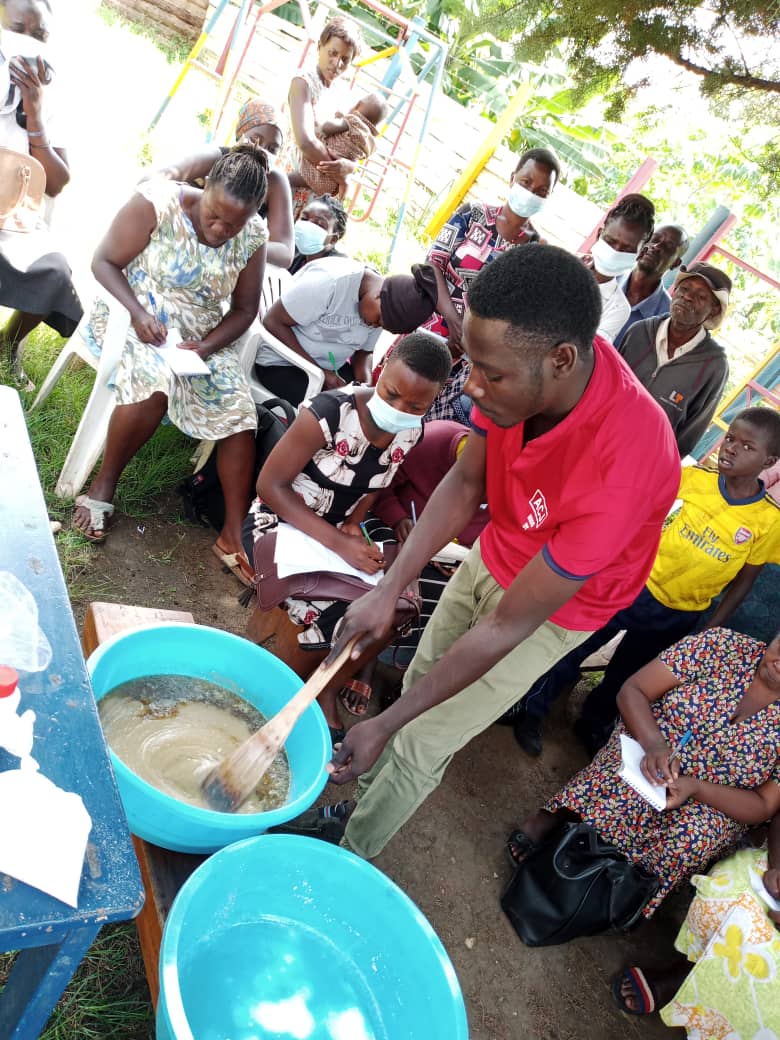
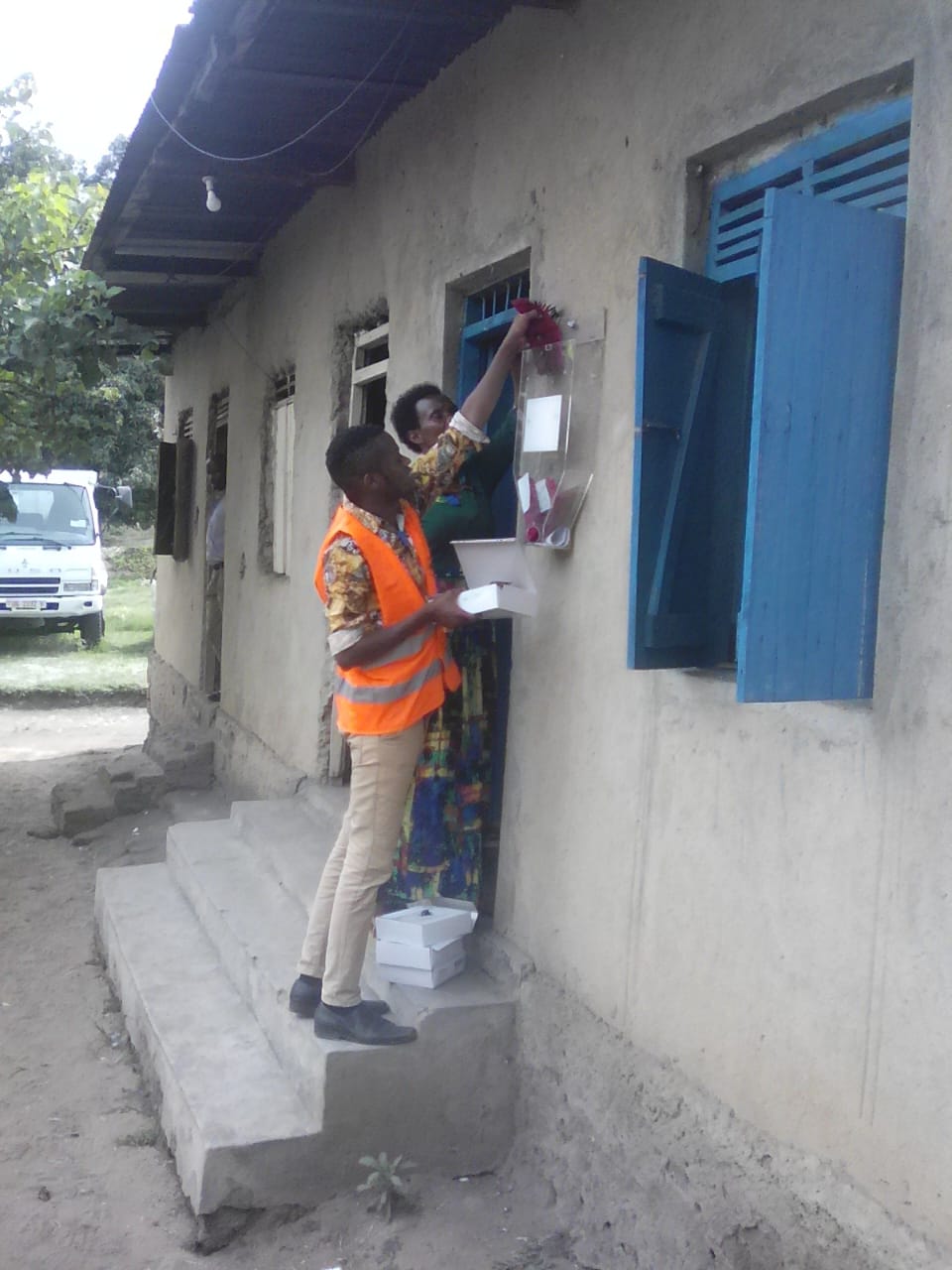
At Kaana Foundation for Outreach Programs (KAFOP), our WASH program is driven by a core belief: sustainable water, sanitation, and hygiene solutions must protect both people and the planet. We address the entire water cycle—from protecting natural water sources to community-led behavioral change.
Our Approach: Through our flagship "Strengthening WASH for Environmental Protection" project, we tackle challenges in Fort Portal Tourism City with a holistic strategy that contributes to SDG 6 (Clean Water and Sanitation), as well as SDGs 3, 11, and 13.
Four Interconnected Pillars:
Measuring Success: We track access to safe water, reduction in waterborne disease incidents, rates of hygiene adoption, and ecological integrity of local water catchments. Our sustainability strategy includes community ownership, integration into city plans, private sector partnerships, and ongoing education.
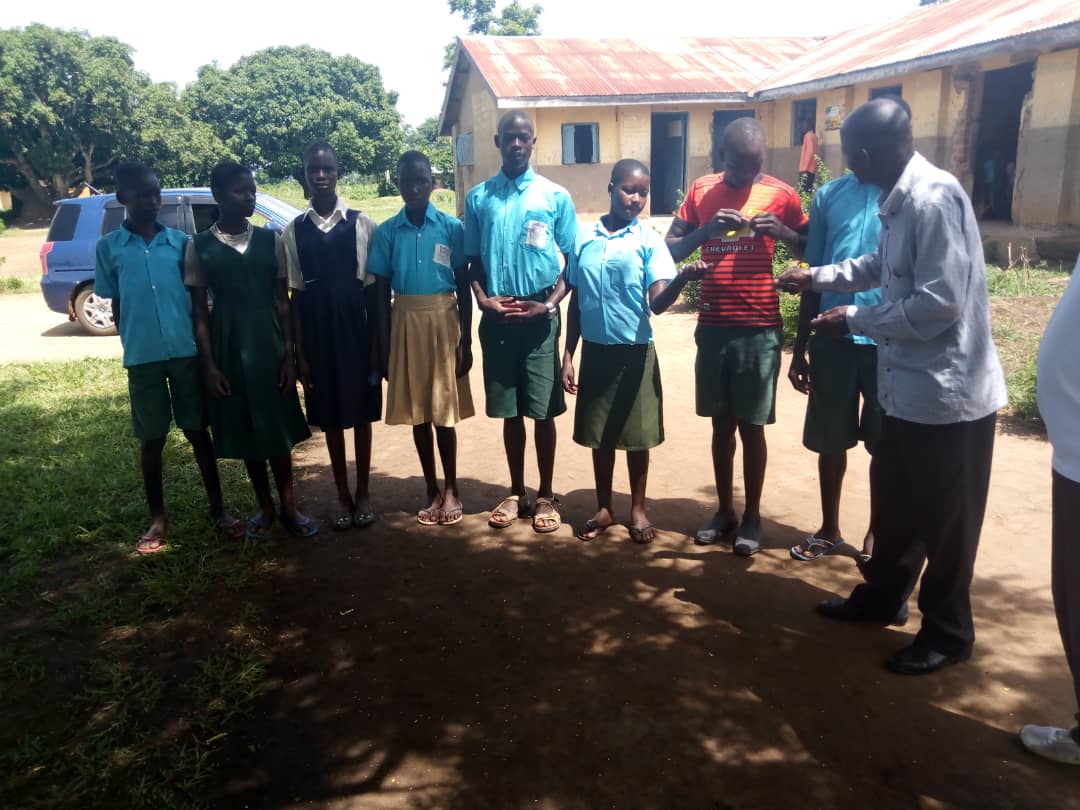
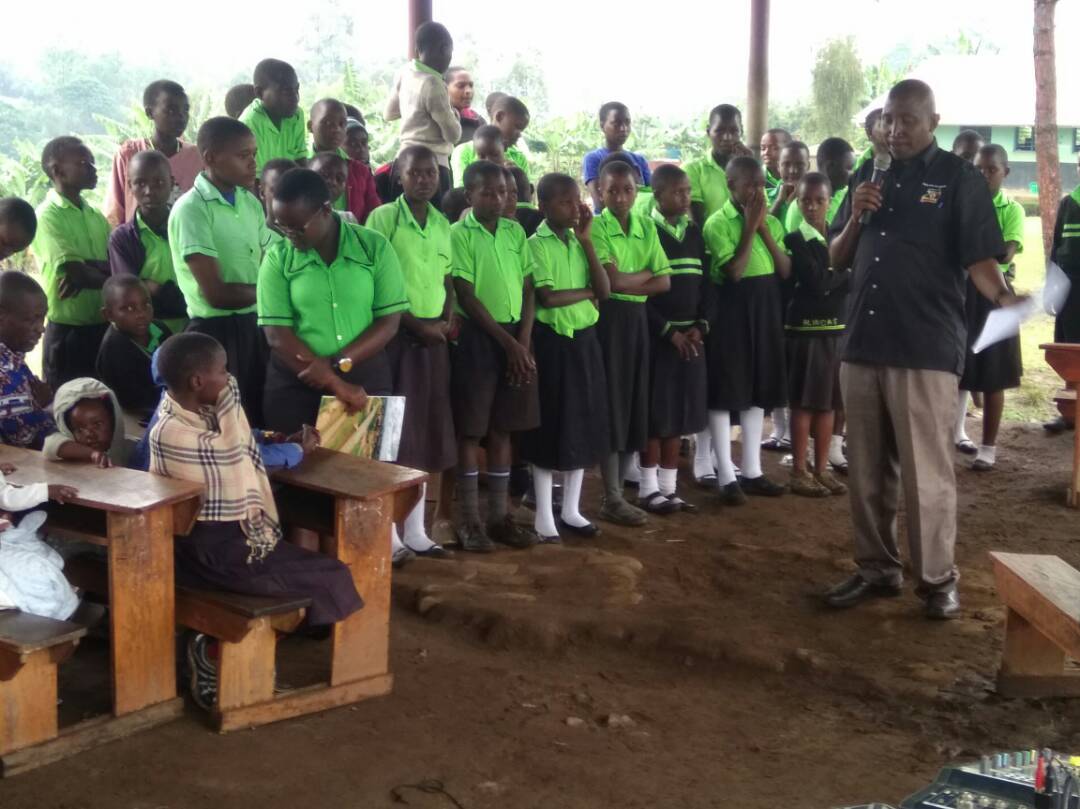
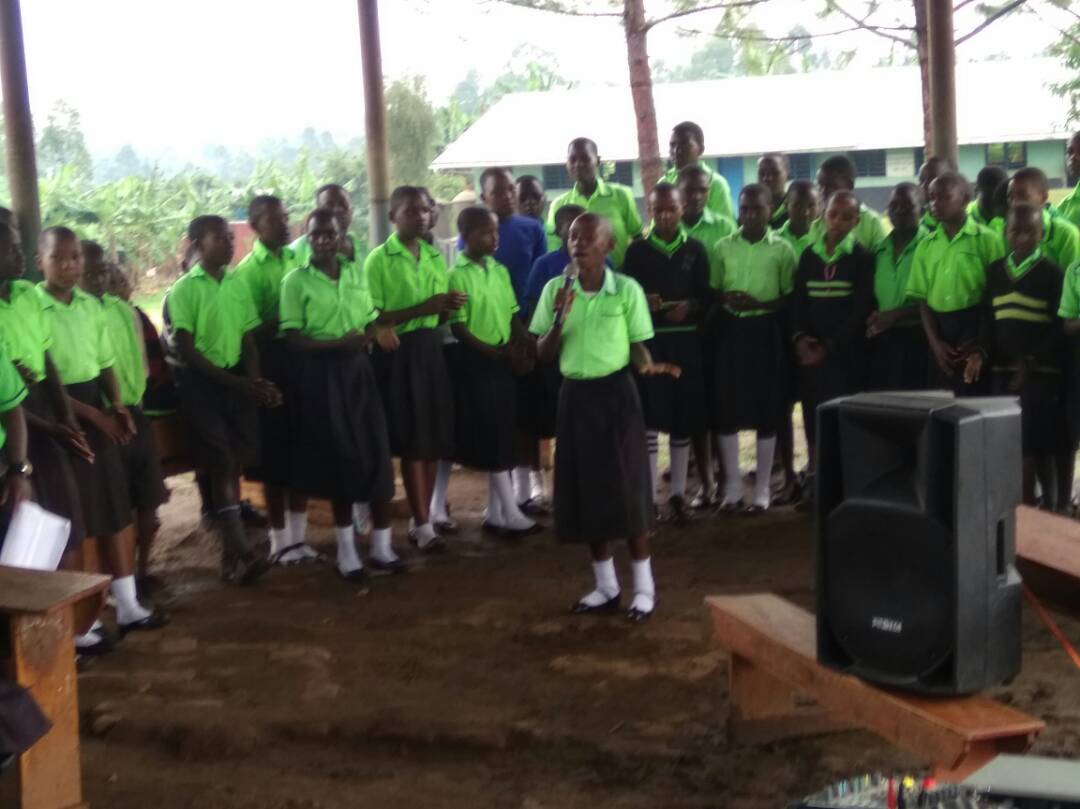
At Kaana Foundation for Outreach Programs (KAFOP), we believe that every child deserves to grow up in a safe, nurturing environment with access to quality education. Our Child Protection and Education programmes work hand-in-hand to break the cycle of poverty and vulnerability.
Our Approach: We take a holistic, community-centered approach—sustainable change happens when families, schools, and local leaders work together to create safe environments where children can learn, grow, and reach their full potential.
Child Protection:
Education:
Our Impact: Through our integrated programmes, we are creating safer communities, keeping children in school, and empowering the next generation. We work in partnership with Baylor OVC, CRVP-F, and Raising Voices to strengthen our child protection and education efforts.
Securing Land, Empowering Women, Feeding Families
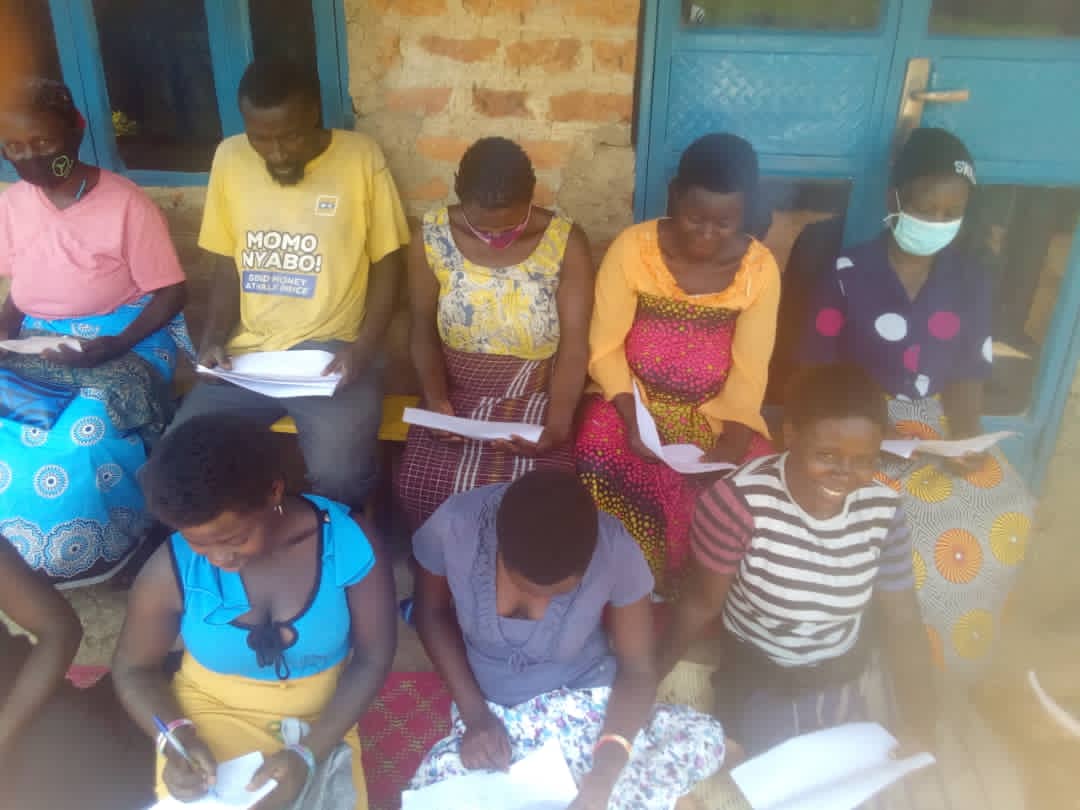
In Tooro Sub-region, land is everything. It is where families build their homes, grow their food, and bury their ancestors. But for most people, that land is not legally theirs. Over 68% of land in Uganda is held under customary tenure—passed down through generations by word of mouth, not by paper.
The Problem: Women do over 70% of the farming in Tooro, but they own less than 7% of the land. Families live in constant fear of displacement. Widows are evicted after their husbands die. Children are forced out of school to save money for land court cases.
What We Do: KAFOP works at the intersection of land rights, gender justice, and food security—with communities, traditional leaders, and local government to fix the system from within.
Our Impact: Since 2018, in Kabarole District, we have documented land for 200 households and issued certificates with women's names. Land disputes dropped by 60%. Women started planting perennial crops. Families invested in their farms instead of lawyers. Children stayed in school.
Why It Matters: Secure land rights are the foundation for everything else. When a woman owns her land, she can grow enough food, earn income, say no to abuse, and pass something on to her children.
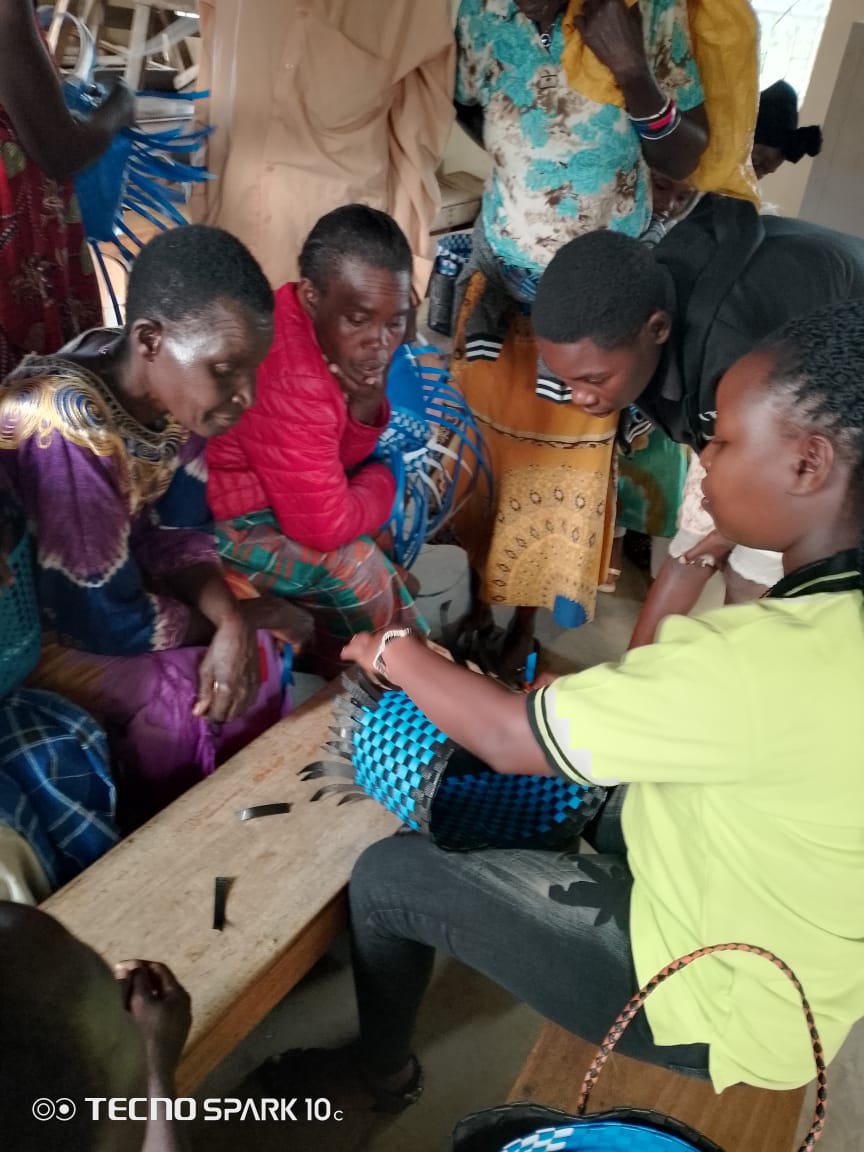
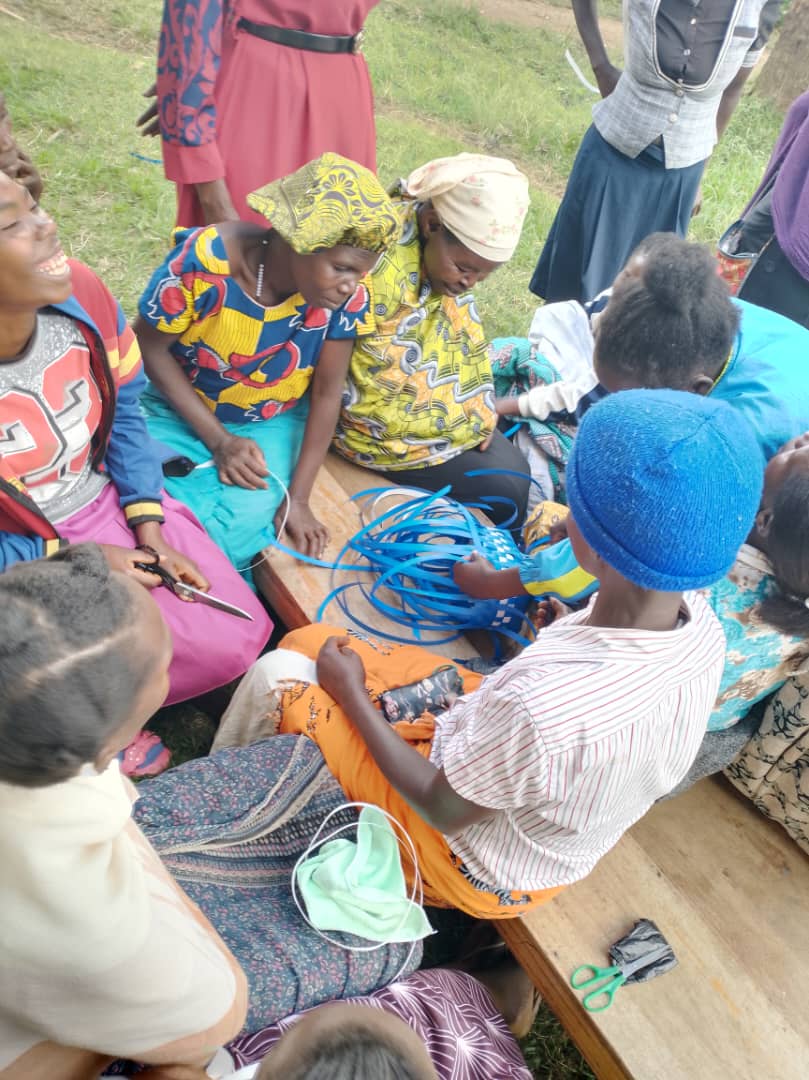
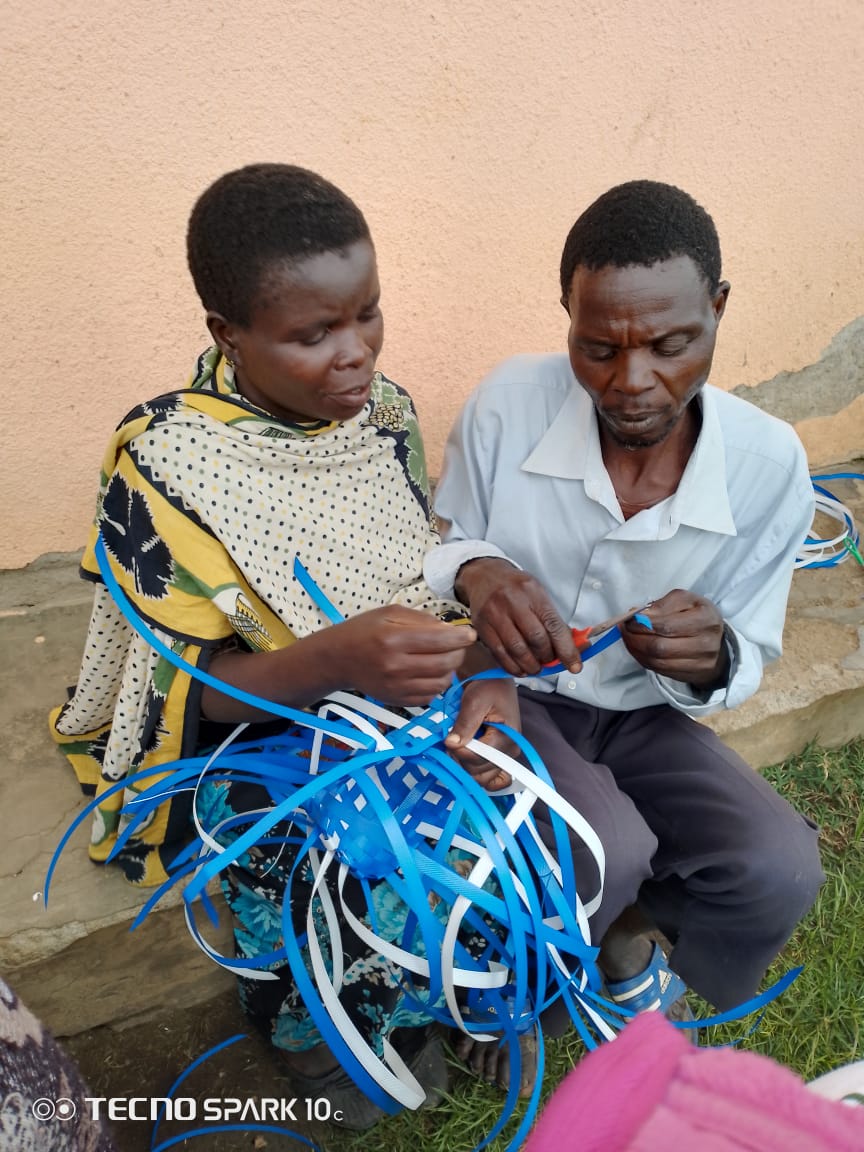
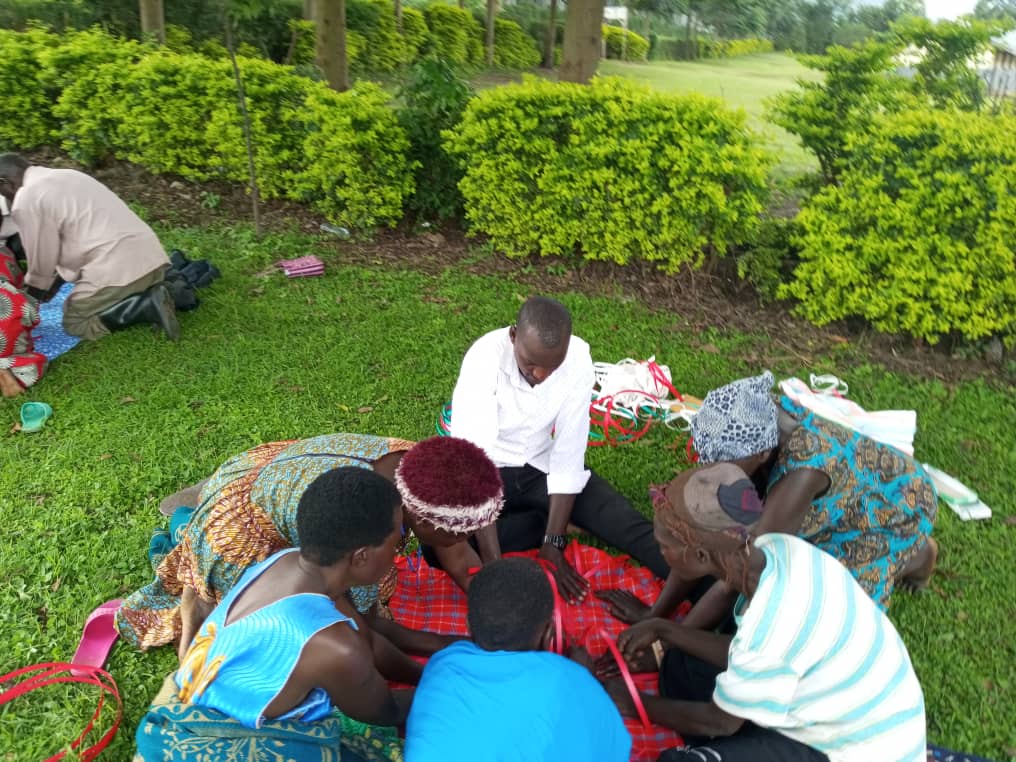
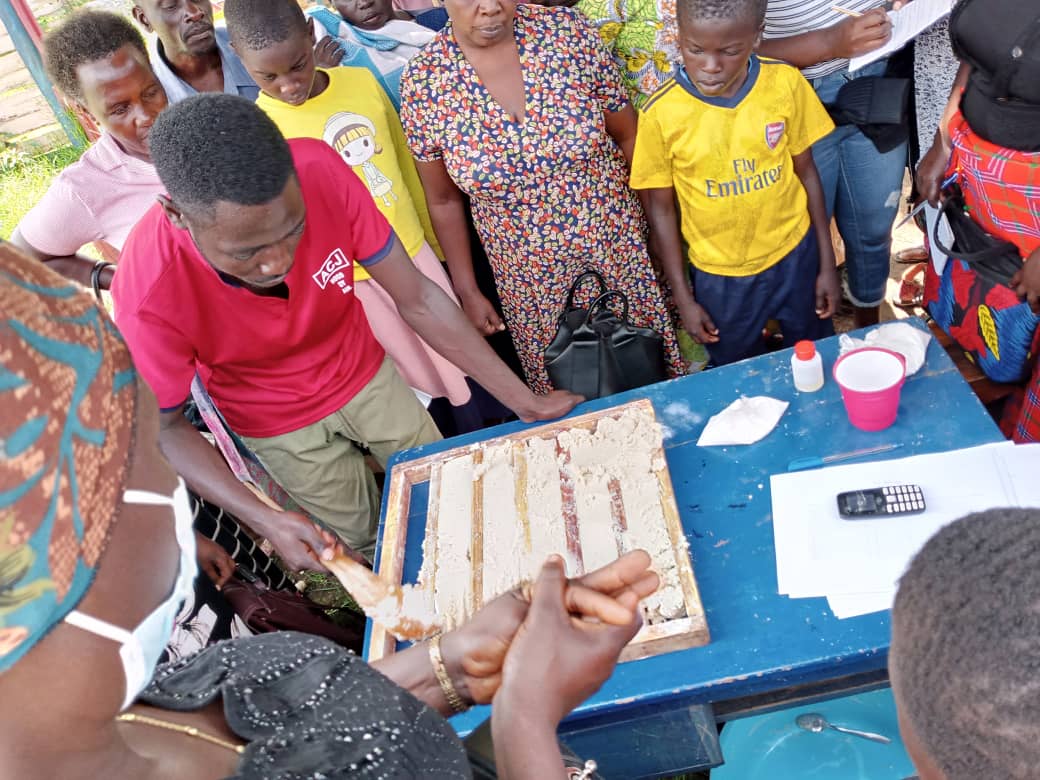
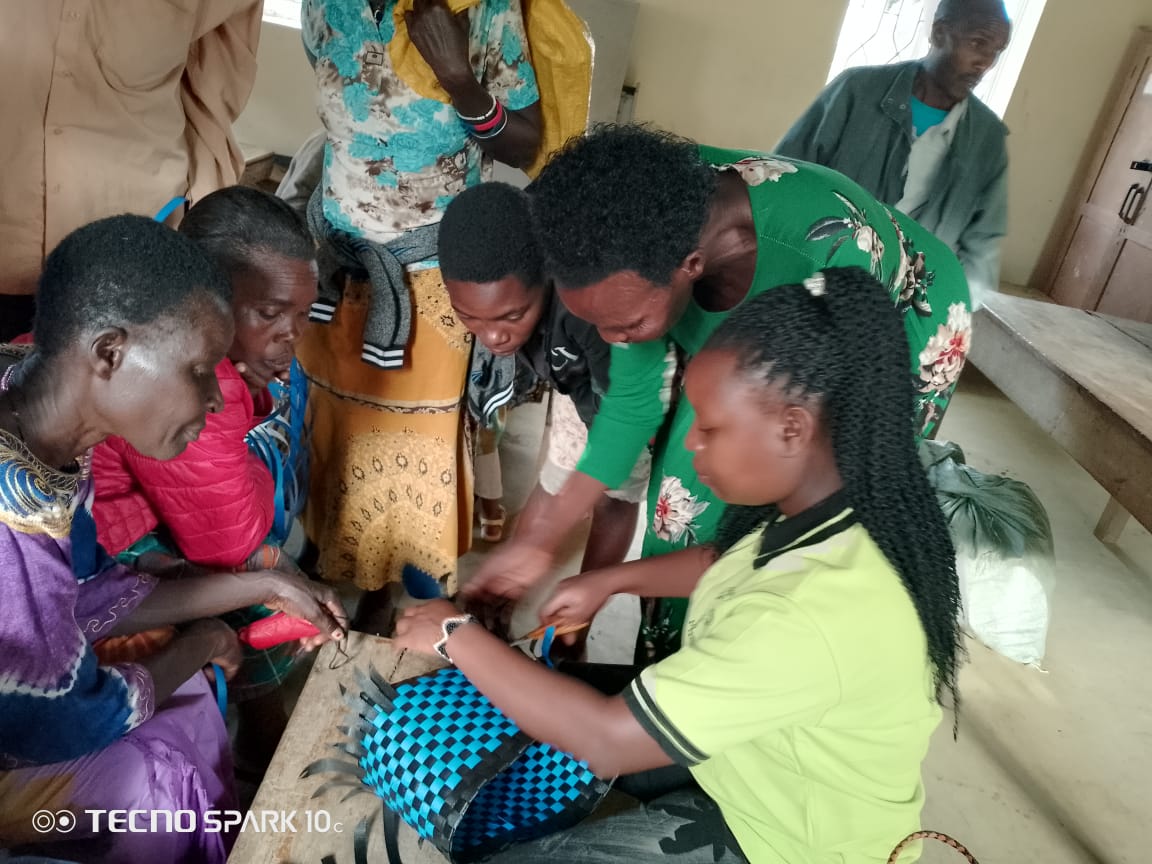
To uplift rural household incomes, we offer vocational training in trades such as tailoring, carpentry, and hairdressing. We also support the establishment of micro‑enterprises by providing start‑up kits and business management skills. This program enables families to generate sustainable income, reducing reliance on subsistence farming and improving overall resilience.